
What Is the Best Real Estate Market in the Middle East for Investors?
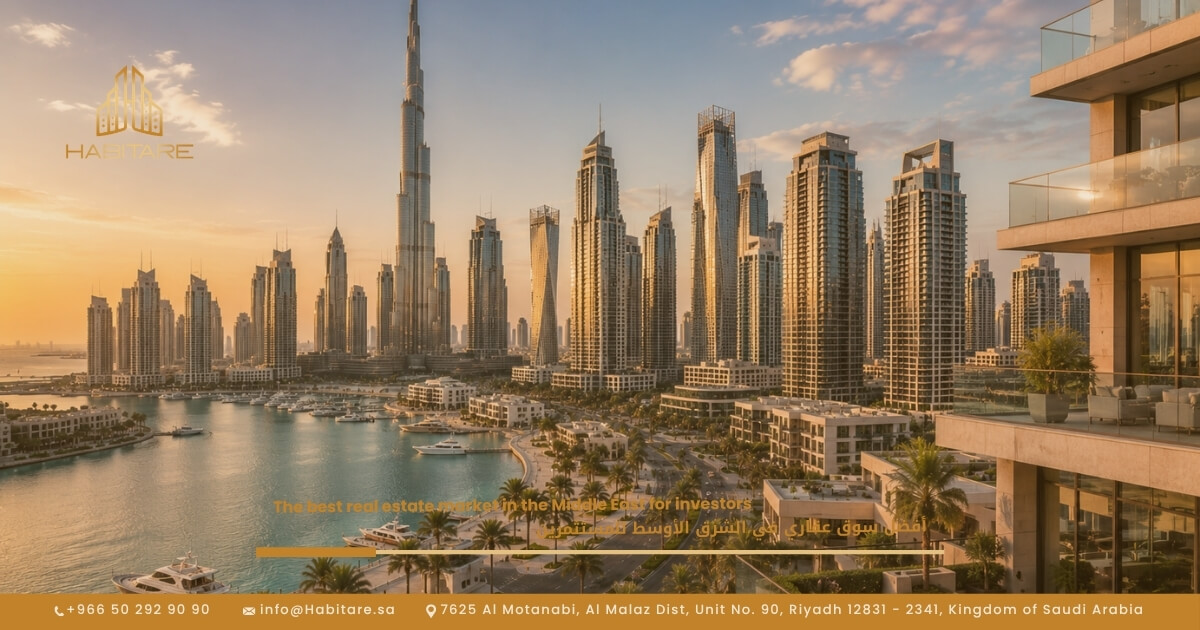
Best real estate market in the Middle East for investors remains one of the most widely discussed topics among investors seeking expansion opportunities across the region’s fast evolving property landscape.
As real estate investment in Saudi Arabia and broader Middle East property markets continue gaining momentum, large scale developments, infrastructure projects, and commercial growth are creating new opportunities for regional and international investors alike.
At Habitare Real Estate, we take a closer look at the region’s most attractive property markets, the factors driving their growth, and the characteristics that position certain countries among the leading real estate destinations for investors.
Best Real Estate Market in the Middle East for Investors: What Defines a Leading Market?
The term best real estate market refers to a destination that demonstrates strong investment fundamentals, including transaction volume, project diversity, sustained demand, and transparent regulations that support market confidence.
Middle East property markets are often evaluated using indicators such as average property prices, transaction activity, capital growth, investor participation, and the maturity of digital real estate services that enhance market accessibility and efficiency.
Best Real Estate Market in the Middle East for Investors: Top Regional Markets Compared
Middle East property markets vary significantly in size, development stage, and investment appeal.
Each country offers a unique combination of opportunities, regulations, and growth potential.
1. Real Estate Market in Saudi Arabia
· Market Size
Saudi Arabia is home to one of the region’s largest real estate markets, particularly across Riyadh, Jeddah, and Dammam. Ongoing developments aligned with Vision 2030 continue expanding residential, commercial, and mixed-use opportunities.
· Investment Opportunities
Real estate investment in Saudi Arabia includes residential communities, commercial towers, hospitality destinations, smart cities, and large-scale developments designed to generate sustainable long-term value.
These projects continue creating some of the most attractive real estate investment opportunities in KSA for local, regional, and international investors.
· Market Maturity
The Saudi property sector is undergoing rapid regulatory and digital transformation through advanced property platforms, registration systems, brokerage regulations, and development frameworks.
· Foreign Investor Appeal
Modern infrastructure, residency initiatives, and evolving ownership regulations continue strengthening real estate investment in Saudi Arabia for foreign investors while attracting international capital.
2. Real Estate Market in the UAE
· Market Size
The UAE remains one of the most active property markets in the Middle East, particularly in Dubai and Abu Dhabi, where residential, commercial, and hospitality developments continue attracting global interest.
• Investment Opportunities
Real estate investment in the UAE includes luxury residences, commercial offices, tourism projects, and freehold ownership communities.
• Market Maturity
The sector benefits from advanced regulations, strong governance, and a highly transparent operating environment supported by sophisticated technology.
• Foreign Investor Appeal
Flexible ownership structures, world-class infrastructure, and investor-friendly regulations continue making the UAE a preferred destination for international buyers.
3. Real Estate Market in Qatar
• Market Size
Qatar’s property market continues expanding through modern urban developments and strategic investment districts.
• Investment Opportunities
Opportunities include residential properties, commercial complexes, and mixed-use developments designed to support long-term growth.
• Market Maturity
The market benefits from structured regulations that facilitate property transactions, registration, and development activities.
Foreign Investor Appeal
Foreign ownership opportunities in designated areas continue supporting international investor participation within Qatar’s property sector.
4. Real Estate Market in Egypt
• Market Size
Egypt remains one of the region’s largest real estate markets, supported by the expansion of new cities and modern urban communities.
• Investment Opportunities
The market offers residential, commercial, administrative, and coastal developments across a diverse range of price points and investment profiles.
• Market Maturity
Ongoing urban development initiatives continue strengthening the sector through increased project activity and regulatory improvements.
• Foreign Investor Appeal
Egypt attracts both regional and international investors due to its diverse opportunities, broad market size, and competitive entry points.
Factors That May Reshape Middle East Property Markets in the Future
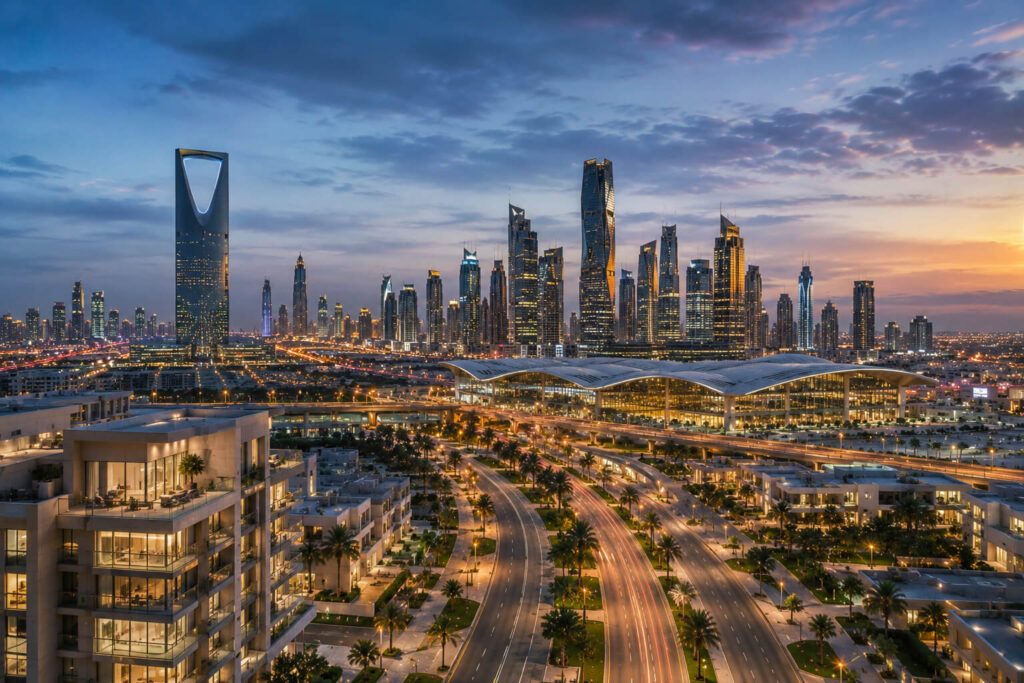
Global market analysis suggests that rankings among regional property markets are influenced by multiple interconnected factors rather than a single indicator.
1. Supply and Demand Balance
A healthy balance between available inventory and buyer demand remains one of the strongest indicators of market strength, Gulf real estate returns, and long-term investment attractiveness.
2. Scale of Major Developments
Large projects, new cities, and transformative infrastructure initiatives continue reshaping investment maps across the Middle East.
3. Foreign Ownership Regulations
Clear regulations and streamlined procedures enhance investor confidence, improve competitiveness, and support capital inflows.
4. Economic Stability and Financial Policies
Economic growth, interest rates, and monetary policies all play a significant role in shaping investment decisions and market performance.
5. Infrastructure and Urban Development
Advanced infrastructure, transportation networks, and public services increase property values while strengthening market demand.
6. Foreign Direct Investment Flows
Policies that encourage international participation and simplify ownership processes directly enhance market appeal and global competitiveness.
Conclusion
The best real estate market in the Middle East for investors depends on a combination of factors including opportunity size, infrastructure quality, regulatory maturity, and long-term growth potential.
As foreign real estate investment continues expanding across the region, competition among Middle East property markets is expected to intensify, creating new possibilities for investors seeking diversification and sustainable returns.
At Habitare Real Estate, we help investors navigate these opportunities through trusted expertise, refined market insight, and personalized guidance tailored to their objectives.
Contact Habitare Real Estate today and speak with our specialists to discover carefully selected opportunities across Saudi Arabia’s most promising investment destinations and build a portfolio positioned for long-term growth.
Edited by: Habitare Real Estate©
Sources:
Frequently Asked Questions About the Best Real Estate Market in the Middle East for Investors
Why Is Saudi Arabia Considered One of the Strongest Real Estate Markets Today?
Saudi Arabia continues strengthening its position through large-scale developments, urban expansion, regulatory improvements, and significant investment linked to Vision 2030 objectives.
These factors are creating a more dynamic and diversified property market.
Which Cities Offer the Highest Rental Returns in the Middle East?
Rental performance varies depending on location, property type, and market demand.
Cities such as Riyadh and Dubai continue attracting strong residential and commercial demand, supporting attractive rental growth across selected districts.
What Is the Best Country for Real Estate Investment in the Middle East?
There is no universal answer, as the ideal destination depends on an investor’s objectives and risk profile.
However, Saudi Arabia and the UAE consistently rank among the region’s most attractive markets due to their infrastructure quality, development pipelines, regulatory progress, and diverse investment opportunities.