
What Are the Best Investment Types in Saudi Mega Projects for Foreign Investors?
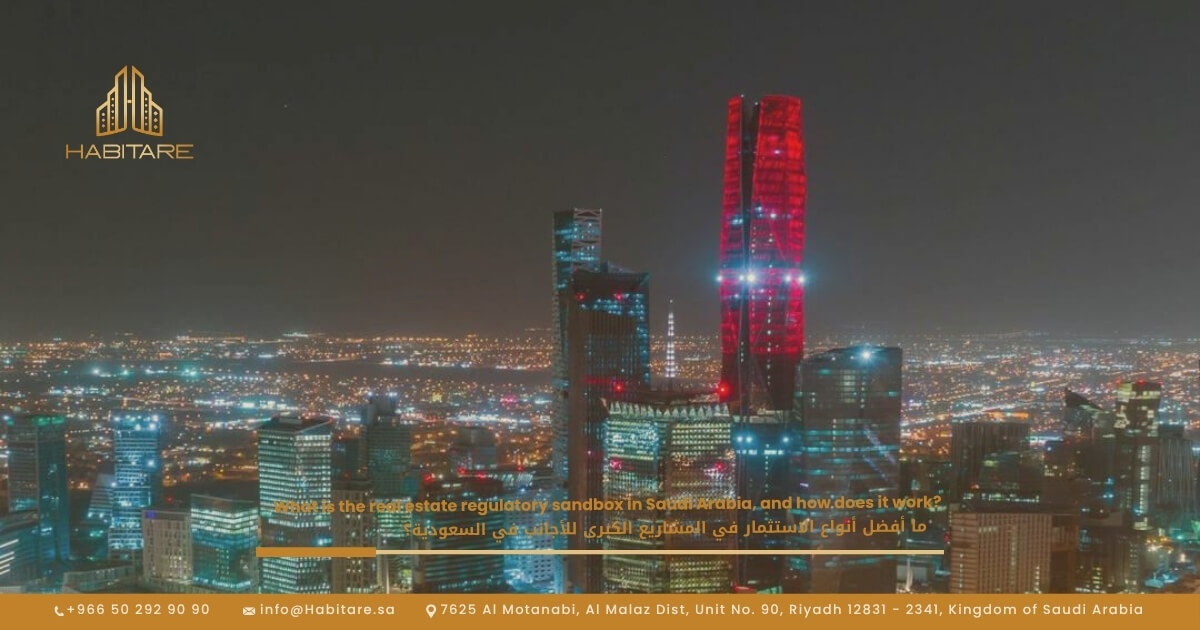
Best investment types in Saudi mega projects for foreign investors continue attracting global attention as Saudi Arabia accelerates one of the world’s most ambitious economic transformation strategies through Vision 2030.
From futuristic smart cities to tourism destinations and large-scale infrastructure developments, the Kingdom is opening new doors for investors seeking sustainable growth, diversified portfolios, and long-term value creation.
At Habitare Real Estate, we guide international investors through Saudi Arabia’s evolving property market with trusted expertise and refined local insight.
In this article, we explore the best investment types in Saudi mega projects for foreign investors, the sectors attracting international capital, and how these developments are reshaping the future of investment across Saudi Arabia.
What Are Mega Projects in Saudi Arabia?
Saudi Arabia’s mega projects are large-scale strategic developments launched under Vision 2030 to diversify the economy, strengthen non-oil sectors, and position the Kingdom among the world’s leading investment destinations.
These projects span infrastructure, tourism, logistics, energy, technology, entertainment, and large-scale real estate investment, with support from government entities and sovereign wealth funds such as the Public Investment Fund.
They are also designed as long-term investment ecosystems that create new urban destinations, economic zones, and integrated lifestyle communities capable of attracting both local and international investors.
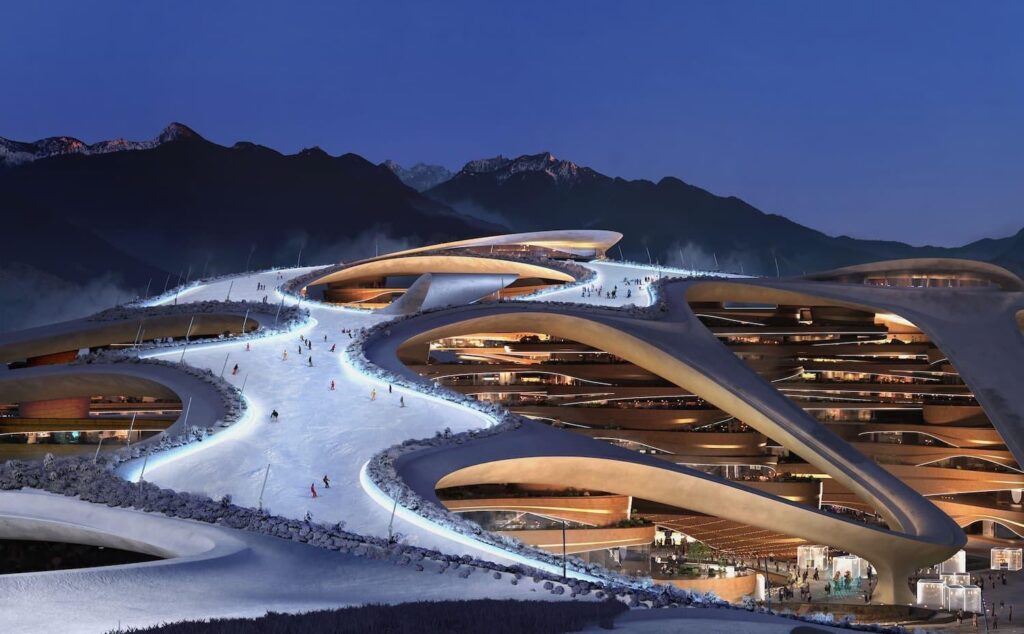
Projects such as NEOM, Qiddiya, ROSHN, and the Red Sea developments reflect the scale of Saudi Arabia’s future ambitions while creating exceptional investment opportunities across multiple sectors.
Best Investment Types in Saudi Mega Projects
The best investment types in Saudi mega projects for foreign investors represent some of the Kingdom’s most dynamic growth sectors, offering diversified opportunities connected to infrastructure expansion, tourism growth, and economic transformation.
1. Infrastructure Investment
Infrastructure projects include transportation networks, airports, ports, logistics corridors, and smart mobility systems connected to Saudi Arabia’s mega developments.
These projects remain essential to supporting enduring returns economic growth while creating stable investment opportunities linked to national development plans.
2. Tourism and Hospitality Investment
Tourism investment continues expanding through luxury resorts, entertainment destinations, hospitality assets, and integrated visitor experiences developed under Vision 2030 initiatives.
This sector is becoming one of the strongest areas for investment opportunities within Saudi Arabia’s rapidly growing tourism economy.
3. Large-scale Real Estate Investment
Large-scale real estate investment includes residential communities, mixed use developments, smart cities, and commercial districts connected to Saudi Arabia’s new urban expansion.
This category also reflects the growing importance of real estate investment opportunities in Saudi Arabia as demand rises across emerging destinations and investment regions.
4. Energy Sector Investment
Energy investment includes renewable energy projects, clean fuel initiatives, advanced utilities, and sustainable infrastructure developments supporting Saudi Arabia’s transition toward diversified energy sources.
This sector continues attracting institutional and international investors seeking exposure to future focused industries.
5. Logistics and Supply Chain Investment
Logistics investment focuses on integrated industrial zones, warehousing, transportation systems, and supply chain infrastructure connected to ports and economic corridors.
Saudi Arabia’s strategic geographic position continues strengthening the attractiveness of logistics related investment opportunities.
6. Technology and Smart City Investment
Technology investment includes smart infrastructure, digital ecosystems, artificial intelligence solutions, and innovation focused urban projects designed to support economic modernization.
These developments remain closely connected to Saudi Arabia’s long-term vision for future cities and advanced digital transformation.
Comparing the Best Investment Types in Saudi Mega Projects
| Investment Type | Expected Return | Risk Level | Investment Horizon |
Liquidity |
|
Infrastructure Projects |
Strong long-term returns | Low to moderate | Long-term |
Lower |
|
Large Scale Real Estate Investment |
Moderate to strong | Moderate | Medium to long-term |
Moderate |
|
Tourism and Hospitality |
Strong growth potential | Moderate to high | Medium to long-term |
Moderate |
|
Energy and Industrial Projects |
Strong | Moderate | Long-term | Lower |
| Technology and Smart Cities | Very high potential | Higher | Long-term |
Moderate to high |
Risks of Investing in Mega Projects and How to Manage Them
Saudi mega projects offer significant opportunities, although investors should also understand the challenges associated with large scale long-term developments.
1. Financial Risks
Financial risks may include rising development costs or delayed cash flow during construction phases.
These risks are often managed through phased investment strategies and disciplined capital planning.
2. Operational Risks
Operational challenges may relate to project execution, management quality, or development timelines.
Strong governance and experienced development partners help reduce these risks.
3. Market Risks
Market fluctuations may affect pricing trends, demand levels, or investment performance across certain sectors.
Ongoing market analysis and adaptive investment strategies remain essential for long-term stability.
4. Regulatory Risks
Regulatory risks involve evolving laws, ownership frameworks, or investment procedures.
Working through approved legal channels andtrusted advisors help ensure full compliance.
5. Timing Risks
Large-scale developments often require extended timelines before reaching full operational maturity.
Investors generally approach these opportunities with a long-term investment perspective focused on gradual value growth.
A Smarter Perspective on Saudi Mega Projects
Saudi Arabia’s mega developments continue reflecting the Kingdom’s commitment to economic diversification, infrastructure expansion, and globally competitive investment environments.
As Vision 2030 projects advance across tourism, technology, entertainment, and real estate sectors, international investors are increasingly exploring opportunities connected to sustainable growth and future focused urban development.
At Habitare Real Estate, we help investors navigate Saudi Arabia’s evolving investment landscape through trusted expertise, refined local insight, and personalized guidance tailored to enduring returns success.
Connect with Habitare Real Estate today and discover premium investment opportunities designed to support stronger returns, strategic growth, and confident investment decisions across Saudi Arabia’s most transformative projects.
Edited by: Habitare Real Estate©
Sources:
Frequently Asked Questions
Is investing in Saudi mega projects suitable for individuals or only companies?
Investment opportunities within Saudi mega projects are available to both individual investors and corporations depending on the project structure and regulatory framework.
Participation terms are usually determined through official authorities, investment entities, and project developers overseeing each opportunity.
Which type of mega project investment generates faster returns?
Return timelines vary depending on the investment sector and project nature.
Tourism and service-related activities may generate faster operational returns, while infrastructure and large-scale development projects are generally designed for longer-term growth.
What is the most common mistake investors make in mega projects?
One of the most common mistakes involves entering projects without sufficient feasibility analysis or fully understanding operational and financial risks.
Successful investment decisions typically require careful market research, strategic planning, and clear understanding of Saudi Arabia’s regulatory environment and long-term development goals.