
Smart Building Projects in Saudi Arabia
Smart Building Projects in Saudi Arabia are capturing global attention as the Kingdom enters a remarkable era of urban transformation.
Across the country, new developments are redefining how people live, work, and experience modern cities.
These developments are no longer traditional structures. They are intelligent environments powered by artificial intelligence, the Internet of Things, and advanced energy systems that deliver comfort, efficiency, and sustainability.
From smart towers managed through digital networks to visionary cities like NEOM and The Line, technology is shaping a new urban future.
Through Habitare Real Estate, explore how these remarkable projects are transforming the landscape of modern living in Saudi Arabia.
What Are Smart Buildings and How Do They Work
Smart buildings are modern properties designed and operated using advanced digital technologies that improve efficiency, sustainability, and user comfort.
Within Smart Building Projects in Saudi Arabia, sensors, Internet of Things devices, and automated management systems work together to control lighting, climate systems, security, and energy usage.
These buildings rely on centralized digital platforms that collect and analyze data from multiple systems. The data allows the building to automatically adjust operations and reduce waste.
In many modern developments across Saudi Arabia, buildings can even learn user preferences. Lighting and temperature can adapt automatically, while predictive systems detect maintenance needs before issues arise.
This approach improves comfort while reducing energy consumption and operational costs.
Benefits of Smart Buildings
Smart buildings provide a wide range of advantages that are transforming the real estate and construction sector. These benefits are especially visible in Smart Building Projects in Saudi Arabia.
1- Energy Efficiency
Smart systems continuously monitor electricity, cooling, and lighting usage. Energy consumption adjusts automatically according to real needs, significantly reducing waste and operational costs.
2- Enhanced Comfort and Lifestyle
Residents and employees experience a highly comfortable environment where lighting, temperature, and ventilation respond automatically to personal preferences.
3- Advanced Security and Safety
Modern smart buildings integrate advanced monitoring systems including intelligent cameras, motion sensors, and fire detection technologies that improve safety and security.
4- Predictive Maintenance
Smart systems can anticipate maintenance requirements before technical problems occur. This reduces repair costs and ensures that building systems operate smoothly.
5- Efficient Building Management
Data collected from sensors allows property managers to optimize building operations and manage spaces more efficiently.
Technologies Powering Smart Building Systems
The effectiveness of smart buildings relies on several advanced technologies working together seamlessly.
1- Internet of Things IoT
Connected sensors collect real time data related to lighting, temperature, humidity, occupancy levels, and energy usage. This information is analyzed by central systems that automatically optimize building performance.
2- Automated Control Systems
Advanced control platforms manage lighting, elevators, ventilation systems, and climate control using intelligent automation.
3- Artificial Intelligence and Data Analytics
Artificial intelligence analyzes historical data and predicts optimal operating conditions such as energy distribution and maintenance scheduling.
4- Smart Communication Networks
High speed communication networks including fiber optics and advanced wireless systems connect building sensors with centralized management platforms.
5- Integrated Security Systems
Smart surveillance cameras, electronic access control systems, and motion detection technologies provide real time monitoring and protection.
6- Intelligent Energy Management
Energy management systems measure electricity and water consumption and apply strategies that reduce usage during peak demand periods.

Leading Smart Building Projects in Saudi Arabia
Saudi Arabia is home to some of the most ambitious urban developments in the world, particularly within Smart Building Projects in Saudi Arabia.
These projects showcase how Smart Building Projects in Saudi Arabia are shaping the future of modern cities.
1- Qiddiya
Qiddiya is a large-scale destination dedicated to entertainment, sports, and arts. The project incorporates advanced smart infrastructure that optimizes energy management and enhances visitor experiences.
2- The Red Sea Project
The Red Sea development is one of the most ambitious luxury tourism projects in the Kingdom. It integrates smart environmental monitoring systems that manage energy, cooling, and water resources in a sustainable way.
3- The Line
The Line is one of the most innovative smart city concepts globally. Designed as a revolutionary vertical city without cars, it uses artificial intelligence and automated systems to manage transportation, energy, and urban services.
4- NEOM
NEOM represents a futuristic city that integrates cutting edge smart building systems across every sector including energy, security, urban planning, and predictive infrastructure management.
5- King Abdullah Financial District KAFD
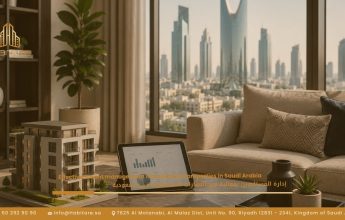
Located in Riyadh, King Abdullah Financial District is one of the most advanced urban developments in the region.
Its smart towers use intelligent building management systems to control lighting, climate, security, and elevators efficiently.
Future of Smart Building Projects in Saudi Arabia
The future of Smart Building Projects in Saudi Arabia looks exceptionally promising as the Kingdom accelerates its urban and digital transformation under Vision 2030.
Saudi Arabia continues to invest in smart cities, sustainable infrastructure, and advanced digital technologies including artificial intelligence, Internet of Things systems, and intelligent energy networks.
Major projects such as NEOM are expected to play a central role in shaping the next generation of urban living. Automated systems will enhance building operations while improving quality of life for residents and businesses.
This direction also supports the Kingdom’s commitment to sustainability by reducing carbon emissions and developing highly efficient buildings that meet global environmental standards.
Conclusion
Today, Smart Building Projects in Saudi Arabia represent a remarkable leap toward a more intelligent and sustainable urban future.
Landmark developments such as Qiddiya, NEOM, and King Abdullah Financial District demonstrate the Kingdom’s leadership in innovation and modern city planning.
As these ambitious projects continue to grow, Habitare Real Estate provides access to carefully selected properties and real estate investment opportunities in KSA within Saudi Arabia’s rapidly evolving property market.
Contact Habitare Real Estate today to explore exclusive real estate opportunities and secure your place within the future of smart cities in Saudi Arabia.
Edited by: Habitare Real Estate©
Source:
FAQs | Smart Building Projects in Saudi Arabia
What are smart projects in Saudi Arabia?
Smart projects in Saudi Arabia include futuristic developments such as NEOM, Qiddiya, and King Abdullah Financial District.
These projects integrate advanced technologies and sustainable urban design.
What are the advantages of smart buildings?
Key advantages of smart buildings include:
• Higher energy efficiency and reduced waste
• Improved security through intelligent
monitoring systems
• Greater comfort and quality of life
• Lower operational and maintenance costs through automation
What is the difference between green buildings and smart buildings?
Green buildings focus primarily on sustainability and reducing environmental impact using eco-friendly materials.
Smart buildings rely on advanced digital technologies and automated systems to improve operational efficiency, comfort, and building management.