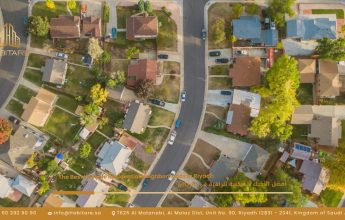

Regulatory Framework Governing the Rental Relationship in Saudi Arabia

The rental relationship in Saudi Arabia has become one of the Kingdom’s most significant real estate priorities, especially following the latest updates introduced through the Ejar system, which strengthened contractual transparency and redefined the balance between landlords and tenants.
As Saudi Arabia enters a new chapter of urban growth and cultural transformation, the rental sector is evolving into a more sophisticated and internationally aligned environment built on stability, trust, and long-term investment confidence.
At Habitare Real Estate, we guide clients through every stage of the leasing journey with local expertise, discretion, and a deep understanding of Saudi Arabia’s evolving residential landscape.
In this article, we explore the legal framework regulating lease agreements in the Kingdom and the most important procedures shaping today’s rental market.
The Purpose of the New Rental Relationship Regulations in Saudi Arabia
The new regulations governing the rental relationship in Saudi Arabia were introduced to organize real estate transactions under a clear legal framework issued by the relevant authorities.
Aligned with Saudi investment regulations and laws, these measures aim to strengthen market stability, clarify contractual obligations, and create a more transparent leasing environment across the Kingdom.
The main regulatory objectives include:
- Enhancing transparency by documenting lease agreements electronically through the Ejar platform supervised by the Real Estate General Authority.
- Protecting landlord and tenant rights through standardized lease contracts legally recognized by official authorities.
- Increasing the reliability of property transactions by linking rental records with related government entities.
- Reducing leasing disputes through organized procedures for contract registration, renewal, and payment management.
- Supporting the long-term stability of the residential and commercial rental sector while encouraging real estate investment.
- Improving operational efficiency through unified digital services and streamlined electronic procedures.
Regulatory Framework Governing the Rental Relationship in Saudi Arabia
The latest leasing regulations in the Kingdom form part of broader initiatives designed to organize the rental market under the new rental laws in Saudi Arabia while establishing greater contractual balance between landlords and tenants.
Together, these measures reflect Saudi Arabia’s broader vision for a more transparent and institutionally mature property environment.
The most notable regulations include:
1. Rental Increase Restrictions
The regulations prevent increases to total rental values for residential and commercial properties during specific periods established under approved rental control measures.
2. Stabilizing Rental Prices for Vacant Properties
The rental value of previously leased vacant properties is determined according to the latest officially registered lease contract.
3. Oversight by the Real Estate General Authority
The implementation of rental regulations remains under the supervision of the Real Estate General Authority, which oversees compliance within the Kingdom’s rental sector.
4. Graduated Penalties for Violations
A structured classification system defines penalties according to the nature and repetition of violations to ensure regulatory compliance.
5. Escalating Fines for Non-Compliance
Violations related to unauthorized rental increases or breaches of landlord tenant regulations may result in escalating financial penalties.
6. Strengthening Contractual Stability
The regulations aim to reinforce contractual stability and protect all parties through monitoring procedures designed to enhance fairness and transparency within the Saudi rental market.
Riyadh’s Five-Year Rental Stabilization Policy
The decision to stabilize rental prices in Riyadh represents one of the most influential measures affecting the rental relationship in Saudi Arabia.
Designed to support market balance and contractual stability, the regulations include:
1. Freezing Rental Increases for Five Years
Residential and commercial rental prices within Riyadh are protected from increases for a five-year period.
2. Applying the Regulations to Existing and New Contracts
The decision applies to both current and newly signed lease agreements within the approved urban boundaries of Riyadh.
3. Using the Latest Registered Contract as a Reference
Vacant property rental values are based on the latest officially registered lease agreement.
4. Allowing Flexible Initial Pricing for New Units
Landlords and tenants may agree freely on the initial rental value for properties that have never been leased before.
5. Mandatory Registration Through the Ejar Platform
Lease agreements must be registered through the Ejar platform, with a 60-day objection period available for review and disputes.
Automatic Renewal of Lease Agreements
Under the Kingdom’s rental regulations, lease agreements may renew automatically upon expiration according to officially approved procedures.
The most important provisions include:
- Automatic renewal applies if neither party submits prior notice declining renewal.
- Non-renewal notices must typically be submitted at least 60 days before contract expiration.
- The contractual relationship continues when the tenant wishes to extend the lease under approved conditions.
In Riyadh, landlords cannot refuse renewal except in officially permitted cases. - Non-renewal may be allowed in cases of unpaid rent or structural defects affecting property safety.
- Property owners may terminate agreements if the property is needed for personal use or for a first degree relative under approved regulations.
Lease Registration Through the Ejar Platform
Digital lease registration has become one of the defining features of Saudi Arabia’s modern rental ecosystem, reinforcing transparency and streamlining regulatory compliance through the Ejar platform.
The process includes:
- Mandatory registration of all lease agreements through the official Ejar platform.
- Contract data entry by the landlord or an approved real estate broker.
- Electronic approval by all parties involved in the rental relationship.
- Automatic validation if no objection is submitted within the specified timeframe.
- Registration of both residential and commercial lease agreements within the approved digital system.

How Rental Value Adjustment Requests Work
To support greater flexibility and market transparency, Saudi Arabia has implemented a regulated digital framework for submitting and reviewing rental value adjustment requests.
The process includes:
1. Electronic Submission Through Ejar
Requests to increase or reduce rental values can be submitted digitally through the Ejar platform.
2. Requests by Either Party
Both landlords and tenants may submit adjustment requests depending on the status of the registered contract.
3. Contract Review and Verification
Requests are reviewed carefully to verify compliance with the registered lease agreement and official regulations.
4. Notification of the Other Party
The second party is notified electronically and may approve or reject the request within the specified timeframe.
5. Official Documentation of Approved Changes
Once approved by both parties, the updated rental value is officially documented within the electronic lease agreement.
6. Preserving All Modification Records
All amendment procedures remain stored within the contract record to ensure full documentation of rights and obligations.
Landlord and Tenant Rights in Saudi Arabia
Saudi Arabia’s evolving real estate framework is designed to protect both landlords and tenants while preserving contractual clarity and strengthening confidence across the rental sector.
Key rights include:
- Ensuring landlords receive agreed rental payments according to the registered contract.
- Allowing tenants to benefit fully from the property throughout the lease term without interference.
- Maintaining contractual continuity under approved renewal regulations.
- Providing access to official dispute resolution and regulatory objection channels.
- Subjecting both parties to oversight mechanisms supervising the implementation of rental market regulations.
The Difference Between Riyadh and Other Saudi Cities in Rental Regulations
Recent regulatory reforms introduced a distinct framework for Riyadh’s rental market, reflecting the capital’s rapid urban expansion and rising housing demand.
The most important differences include:
- Applying a five-year rental stabilization policy within Riyadh.
- Including both residential and commercial lease agreements within the capital’s urban boundaries.
- Preventing rental increases during the implementation period.
- Using the latest registered lease agreement to determine rental values for vacant properties.
- Supervising implementation through the Real Estate General Authority with periodic rental market reporting.
- Allowing the possibility of expanding these regulations to additional Saudi cities in the future following official approval.
The introduction of rental stabilization measures in Riyadh has helped create a more predictable leasing environment, limiting sudden increases while supporting long-term market confidence for both landlords and tenants.
Habitare Real Estate Tips for Landlords and Tenants Under the New Regulations
As Saudi Arabia’s rental landscape continues to evolve, Habitare Real Estate recommends a number of refined best practices to help landlords and tenants navigate the leasing process with greater clarity and confidence.
These include:
- Reviewing all lease terms carefully before signing any agreement.
- Registering rental agreements exclusively through official digital platforms.
- Following payment schedules and approved payment procedures outlined in the contract.
- Retaining documented copies of lease agreements and related communications.
- Providing timely notice when choosing not to renew a lease agreement.
- Monitoring regulatory updates issued by official authorities.
- Seeking professional real estate consultation when handling special contractual circumstances or amendments.
A More Transparent Future for the Rental Relationship in Saudi Arabia
The rental relationship in Saudi Arabia reflects the Kingdom’s broader commitment to creating a more transparent, stable, and internationally trusted property environment.
As the Saudi rental sector continues to modernize, understanding the latest legal regulations and contractual procedures has become essential for residents, investors, and property owners alike.
Today, transparency and regulatory clarity have become central to the Kingdom’s vision for a more sophisticated real estate landscape.
If you would like professional guidance regarding lease agreements, rental regulations, or property investment opportunities in Saudi Arabia, connect with Habitare Real Estate today.
Our specialists are ready to guide your next chapter in Saudi Arabia with discretion, expertise, and trusted local insight.
Edited by: Habitare Real Estate©
Sources:
Frequently Asked Questions About the Rental Relationship in Saudi Arabia
How does the rental value adjustment request service work?
This service allows landlords or tenants to submit an electronic request to adjust rental values during lease renewal through the official Ejar system, where requests are reviewed according to approved regulations before approval or rejection.
Can rental prices increase in Riyadh?
No. Riyadh’s regulatory framework prevents increases to residential and commercial rental prices for five years within the approved urban area beginning on 25 September 2025.
How long is the approval or rejection period for rental adjustment requests?
Rental adjustment requests may generally be submitted through the Ejar platform up to 90 days before contract expiration, while approval or rejection remains available until 60 days before the contract ends.
What happens if the landlord does not pay the contract renewal fees?
Lease renewal procedures remain dependent on completing all approved legal and administrative requirements. Failure to complete renewal fees or related requirements may delay the process until all obligations are fulfilled.
Are all lease agreements renewed automatically?
No. Lease agreements renew automatically only if neither party provides notice of non-renewal within the specified timeframe before contract expiration under approved regulations.