
Real Estate Demand Indicators in Saudi Arabia
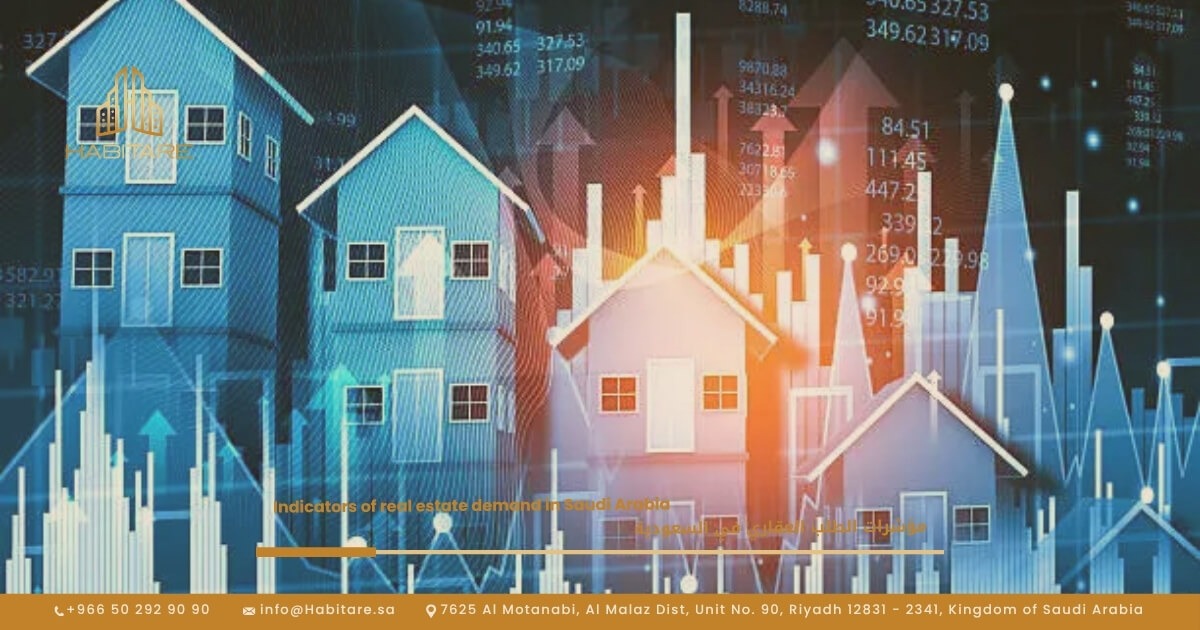
Real Estate Demand Indicators in Saudi Arabia are redefining how investors and homeowners interpret opportunity, unveiling a market shaped by growth, ambition, and a new standard of modern living.
Saudi Arabia’s property landscape is undergoing a remarkable transformation, where demand patterns shift alongside urban expansion and ambitious development projects.
Across cities and districts, demand levels vary in response to population growth and large-scale initiatives, creating a dynamic environment that rewards informed decision making.
Through official platforms and real time data, the market today offers unprecedented transparency, allowing investors to track transactions, pricing movements, and demand trends with clarity.
In this guide by Habitare Real Estate, we take you through a refined analysis of Real Estate Demand Indicators in Saudi Arabia, helping you understand the forces shaping the market and uncover opportunities with confidence.
Understanding Real Estate Demand Indicators in Saudi Arabia and Market Dynamics
Real estate demand reflects the true level of interest in buying or leasing property across the Kingdom, measured through transactions, pricing trends, and buyer preferences across cities and asset types.
It serves as a cornerstone of Saudi real estate market analysis, offering valuable insights into how demand is distributed geographically and by property category.
Its importance lies in its ability to reveal market momentum. Official real estate data platforms provide accurate information on transaction volumes and average prices, enabling a transparent view of market performance.
Demand is also closely linked to economic drivers such as mortgage growth and increased access to financing, which enhances purchasing power and supports broader participation in the market, particularly for those interested in investing in Saudi real estate.
As a result, rising demand in certain areas may lead to price growth and competitive conditions, while balanced demand contributes to market stability.
Understanding these indicators is essential for both investors and buyers, offering a clearer perspective on current trends and future expectations within the Saudi property landscape.
Key Real Estate Demand Indicators in Saudi Arabia
To interpret market activity with precision, several core indicators reveal the strength and direction of demand across the Kingdom:
1. Transaction Volume | Real Estate Demand Indicators in Saudi Arabia
The number of real estate transactions is one of the clearest signals of actual market demand, reflecting the level of buying activity among individuals and investors.
Official data platforms track daily and monthly transactions, making it possible to identify periods of growth or slowdown with accuracy.
2. Total Transaction Value
Total transaction value represents the overall capital flowing through the market within a specific timeframe.
Higher values typically indicate strong liquidity and active participation, especially in major cities where ongoing development reinforces investor confidence.
3. Occupancy Rates and Rental Levels
Occupancy rates measure how much of the available property supply is actively in use, while rental prices reflect the strength of demand within the leasing sector.
Rising occupancy and rental levels often signal increasing demand, particularly in high demand urban areas.

4. Population Growth and Urban Migration
Population growth and internal migration play a central role in shaping demand.
As more people move toward major cities in search of opportunity and lifestyle, demand for residential and commercial properties continues to rise.
5. Government Projects and Infrastructure Development
Government led initiatives significantly influence demand by attracting both residents and investors to emerging areas.
Housing programs and infrastructure expansion enhance property values and contribute to long term demand growth, particularly within Vision 2030 developments.
6. Mortgage Activity
Mortgage financing remains one of the most influential drivers of demand.
Growth in housing loans and easier access to financing increases purchasing power, making property ownership more accessible and expanding market participation.
Impact of Real Estate Demand Indicators in Saudi Arabia on Prices and Market Direction
Real Estate Demand Indicators in Saudi Arabia play a decisive role in shaping property prices and overall market direction.
When demand rises against limited supply, prices tend to increase, particularly in major cities and prime locations.
Conversely, when demand stabilizes or aligns with available supply, the market often experiences balanced pricing or gradual adjustments.
Strong demand signals investor confidence and often marks the early stages of value appreciation in prime locations, while declining demand may indicate cautious sentiment or temporary economic shifts.
These dynamics are influenced by multiple factors including financing growth, population expansion, and large-scale developments, making demand analysis an essential tool for anticipating market movement.
» See also on Habitare Real Estate Blog: The Difference Between Resident and Investor Property Ownership in Saudi Arabia
Conclusion
Real Estate Demand Indicators in Saudi Arabia remain the most reliable compass for understanding market movement and identifying future opportunities.
From transaction volumes and market liquidity to financing activity and demographic trends, these indicators collectively shape a comprehensive view of the Kingdom’s evolving property landscape.
As the market becomes more competitive and fast moving, informed insight is no longer optional but essential.
With Habitare Real Estate, you gain access to deeper market knowledge and carefully curated opportunities tailored to your goals.
Contact us today and begin your real estate journey in Saudi Arabia with clarity, confidence, and expert guidance tailored to your ambitions.
Edited by: Habitare Real Estate©
Source:
Frequently Asked Questions
Do real estate demand indicators vary across Saudi cities?
Yes, demand indicators differ significantly between cities due to variations in economic activity, population density, and development scale.
Major cities such as Riyadh, Jeddah, and Dammam typically experience stronger demand due to employment opportunities and infrastructure growth, while smaller cities may show more stable patterns.
Can demand indicators sometimes be misleading?
Yes, when interpreted in isolation, demand indicators may not provide a complete picture.
For example, an increase in transactions may result from short term factors such as speculation or temporary financing conditions rather than sustained demand.
A comprehensive analysis should consider supply, financing, and rental data alongside demand indicators.
How do seasonal factors influence real estate demand in Saudi Arabia?
Seasonal patterns have a noticeable impact on demand.
Periods following summer holidays and the start of the academic year often see increased activity, while extended holidays or religious seasons may lead to temporary slowdowns.
This highlights the importance of analyzing demand over time rather than relying on short term observations.