
Economic Indicators Affecting Real Estate in Saudi Arabia
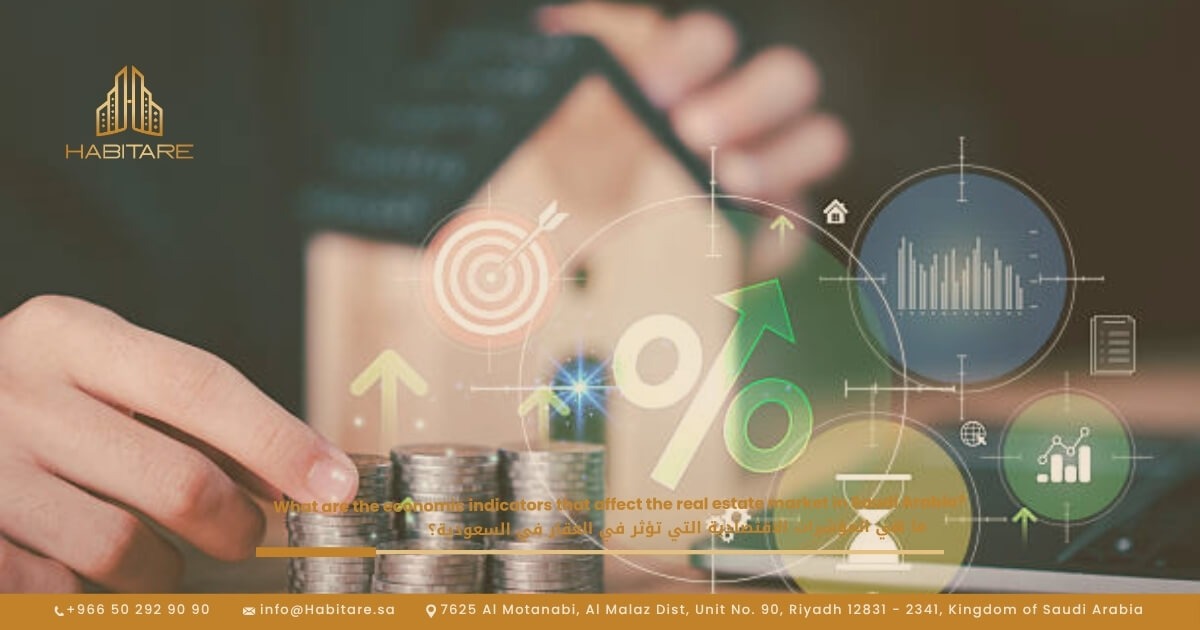
Economic indicators affecting real estate in Saudi Arabia have become essential tools for understanding the Kingdom’s evolving property market and the forces shaping investment activity across its rapidly growing cities.
As Saudi Arabia continues advancing toward Vision 2030, the relationship between economic performance and real estate demand has become increasingly interconnected, influencing everything from housing demand to financing activity and long-term investment confidence.
Today, Saudi Arabia’s property market represents far more than traditional buying and selling activity.
It mirrors broader economic transformation, population growth, infrastructure expansion, and the emergence of new urban destinations designed for modern living and global investment.
At Habitare Real Estate, we help local and international clients navigate the Saudi real estate market with refined market insight and trusted local expertise. Visit our home page to discover exceptional property opportunities across the Kingdom.
In this article, we explore the most important economic indicators affecting real estate in Saudi Arabia and how these factors continue influencing market movement, pricing trends, and investment opportunities throughout the Kingdom.
The Relationship Between the Economy and Saudi Arabia’s Real Estate Market
The relationship between the economy and real estate in Saudi Arabia remains closely connected, reflecting how property activity responds to broader economic growth and financial conditions.
As economic performance improves, liquidity and investment activity often increase, leading to stronger demand across residential, commercial, and mixed-use property sectors.
The Saudi real estate market also represents one of the Kingdom’s most important economic components.
Beyond property ownership and transactions, it reflects broader economic confidence, future growth expectations, and the expansion of non-oil sectors supported by Vision 2030 initiatives.
Large infrastructure projects, tourism development, and urban transformation programs continue stimulating demand while strengthening investing in Saudi real estate across multiple regions within the Kingdom.
Economic Indicators Affecting Real Estate in Saudi Arabia
Economic indicators affecting real estate in Saudi Arabia remain directly linked to broader economic movement, including growth rates, inflation levels, financing costs, and overall market confidence.
These indicators continue shaping demand, property prices, and investment activity across the Saudi real estate market.
Reports published by Bloomberg highlight how rising borrowing costs, interest rates, and mortgage financing expenses may reduce ownership demand, while stronger Saudi economic growth continues supporting expansion across the property sector.
1. Saudi Economic Growth
Saudi economic growth remains one of the strongest indicators influencing the Saudi real estate market.
Official data consistently shows that stronger GDP performance supports broader economic activity, increases liquidity, and strengthens demand for residential and commercial properties across the Kingdom.
The continued expansion of non-oil sectors has also contributed to stronger investor confidence and increasing development activity.
This growth continues supporting investing in Saudi real estate while creating new real estate investment opportunities in KSA, particularly across emerging urban destinations and infrastructure corridors.
2. Population Growth and Urban Expansion in Saudi Arabia
Population growth and urban expansion continue playing a major role in shaping residential demand across Saudi Arabia.
As cities expand and new households emerge, demand for housing, infrastructure, and integrated lifestyle communities continues increasing steadily.
This dynamic is also essential for understanding supply and demand analysis within Saudi Arabia’s residential property market.
Rapid urban growth across major cities continues strengthening investment momentum while increasing the need for modern housing and supporting infrastructure.
Demographic expansion remains one of the most influential economic indicators affecting real estate in Saudi Arabia because it directly impacts occupancy rates, development activity, and long-term market sustainability.
3. Infrastructure and Transportation Development in Saudi Arabia
Infrastructure and transportation development remain fundamental drivers supporting the Saudi real estate market.
Expanding road networks, public transportation systems, airports, and urban connectivity projects continue increasing the attractiveness of emerging residential and commercial districts.
According to data published by World Bank, infrastructure development contributes directly to urban growth and strengthens investment opportunities by improving accessibility, mobility, and service integration across Saudi Arabia’s expanding cities.
As major projects continue reshaping the Kingdom, infrastructure investment is becoming increasingly connected to real estate investment opportunities in KSA and the creation of future growth corridors.
4. Income Levels and Purchasing Power in Saudi Arabia
Income levels and purchasing power remain essential indicators influencing demand within the Saudi real estate market.
Higher income levels generally improve the ability of individuals and families to purchase or lease properties, directly affecting overall market activity.
Improved household income also contributes to stronger consumer spending and broader economic confidence, which positively impacts Saudi economic growth and long-term property investment activity.
As purchasing power strengthens, liquidity within the property market often increases, supporting healthier transaction volumes and investment movement.
A Deeper Perspective on Saudi Arabia’s Real Estate Market
Economic indicators affecting real estate in Saudi Arabia continue shaping market behavior, pricing movement, and long-term investment direction across the Kingdom’s evolving property sector.
Understanding these indicators provides investors and buyers with a clearer perspective on how economic growth, financing conditions, demographic trends, and infrastructure development influence the future of Saudi Arabia’s real estate landscape.
As the market continues expanding through Vision 2030 initiatives and urban transformation projects, the ability to interpret economic data intelligently has become increasingly important for making more confident investment decisions.
At Habitare Real Estate, we help clients navigate Saudi Arabia’s property market with deeper insight, trusted expertise, and refined market guidance.
Connect with us today to explore investment opportunities and gain a clearer understanding of Saudi Arabia’s evolving real estate market.
Edited by: Habitare Real Estate©
Sources:
Frequently Asked Questions
Why does Saudi Arabia’s real estate market respond to economic changes?
The Saudi real estate market is closely connected to economic conditions such as growth rates, liquidity levels, financing costs, and consumer confidence.
When Saudi economic growth improves, investment activity and property demand often increase across residential and commercial sectors.
During periods of slower growth or rising financing costs, purchasing activity and development momentum may become more cautious.
Which economic indicators do investors monitor to understand the property market?
Investors commonly monitor economic growth rates, inflation levels, interest rates, and financing activity because these indicators reflect overall economic strength and purchasing power.
Income data and GDP reports published by institutions such as the World Bank are also widely used to evaluate investment conditions and market liquidity across Saudi Arabia.
Can property prices change quickly because of economic conditions?
Yes. Property prices may respond to inflation, interest rate changes, income growth, and broader economic conditions.
However, changes within the Saudi real estate market are often gradual rather than immediate because property assets typically move through longer investment cycles compared with other financial markets.