

Digital Identity for Non-Residents to Own Property in Saudi Arabia
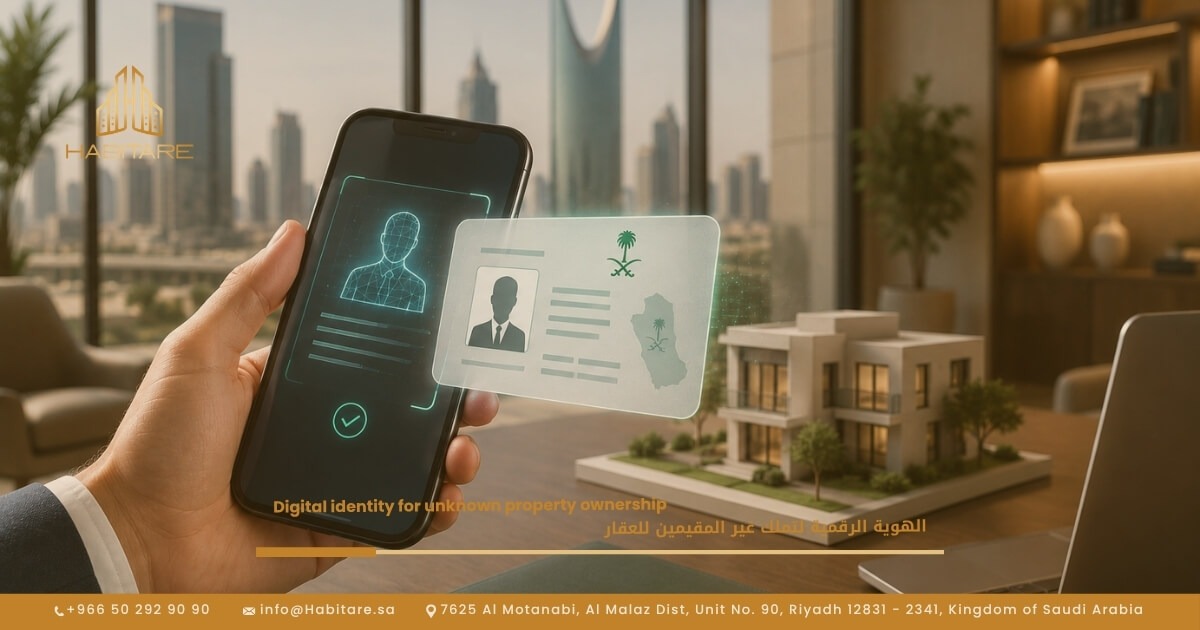
As Saudi Arabia continues its remarkable digital transformation, is opening new possibilities for international investors interested in the Kingdom’s evolving real estate market.
Designed to simplify digital access to services, this initiative reflects Saudi Arabia’s wider ambition to make property-related procedures more accessible, secure, and efficient.
In this guide, Habitare Real Estate explores how digital identity may support non-residents navigating property ownership in Saudi Arabia, from understanding the process to identifying the requirements that may apply.
What Is Digital Identity for Non-Residents to Own Property in Saudi Arabia?
Digital Identity for Non-Residents to Own Property in Saudi Arabia reflects the Kingdom’s continued efforts to modernize access to government and property-related services.
For eligible non-residents, a digital identity may help facilitate access to relevant electronic services and support the completion of certain property-related procedures, subject to applicable regulations and verification requirements.
Depending on the services available, digital identity may connect verified personal information with official transactions, helping investors navigate documentation and administrative processes more efficiently.
The broader objective is to encourage international investment, improve access to services, and support the protection of property ownership rights in Saudi Arabia.
Benefits of Digital Identity for Non-Resident Property Investors
As Saudi Arabia continues to expand its digital services, Digital Identity for Non-Residents to Own Property in Saudi Arabia may offer international investors a more convenient way to access relevant property-related procedures.
For those exploring the Kingdom’s real estate market, digital services can help reduce administrative complexity and make essential information easier to access.
The following are potential advantages, subject to the services and eligibility requirements currently in place.
1. More Convenient Digital Procedures
Access to eligible digital services may allow non-residents to complete certain administrative steps remotely, reducing the need for some in-person visits.
This can help simplify the process and save time, depending on the requirements of the specific transaction.
2. Identity Verification and Greater Security
Digital identity verification can help confirm the identity of individuals accessing official services.
When used within approved procedures, it may support more secure transactions and help reduce risks associated with identity verification. Property rights remain subject to the applicable Saudi regulations and official registration procedures.
3. More Convenient Access to Financial Services
Where supported by the relevant platforms and banking requirements, digital services may help investors access financial procedures associated with property transactions.
The availability of specific banking features depends on the financial institution and the investor’s eligibility.
4. Convenient Access to Updates
Digital platforms may allow users to access available information about their applications and related administrative requirements.
The services offered depend on the relevant government platform and the type of transaction.
5. Greater Access to the Saudi Real Estate Market
By making relevant digital services easier to access, digital identity may help international investors navigate the administrative aspects of entering the Saudi real estate market.
Investment opportunities and potential returns depend on the property, location, market conditions, and applicable ownership regulations.

How Digital Identity Works for Property Ownership in Saudi Arabia
Understanding how digital identity works can help non-residents prepare for the administrative aspects of property ownership in Saudi Arabia.
The following overview highlights the typical stages involved in identity verification and property-related procedures. The exact process may vary according to the investor’s circumstances and the applicable regulations.
1. Establishing a Digital Identity
The process begins with the relevant identity registration or verification procedure available to eligible non-residents.
Applicants may be asked to provide personal details and supporting identification documents, such as passport information.
The precise application process and required documents should be confirmed through the official platform responsible for the service.
2. Verifying the Investor’s Identity
Identity verification helps confirm that the applicant’s personal information matches the identification documents provided.
The responsible authority and verification requirements depend on the digital service being used and the applicant’s circumstances.
3. Arranging Banking Services
Investors should confirm the banking arrangements required for their intended property transaction.
Depending on eligibility and the relevant financial institution, a Saudi bank account may be required for certain payments or financial procedures.
The availability of account linking and related digital features should be verified with the relevant service provider.
4. Completing the Property Registration Process
Once the investor has confirmed their eligibility and selected a property, the relevant ownership application can be submitted through the authorized channels.
Required documents, contracts, and supporting information must meet the applicable legal and registration requirements.
The availability of electronic submission depends on the transaction and the official services provided.
5. Officially Registering Property Ownership
Following completion of the transaction, ownership must be registered through the relevant authorized procedures.
The registration process establishes the investor’s legal rights in accordance with the applicable Saudi real estate regulations.
Investors should ensure that all ownership documentation has been completed and issued by the competent authority.
6. Managing Property-Related Procedures
Once ownership has been established, investors may need to manage ongoing administrative and financial responsibilities.
Depending on the available official services, these may include:
- Checking the status of relevant permits or applications.
- Paying applicable fees.
- Renewing documents where required.
- Completing the authorized procedures for a future property sale.
Conclusion
Digital Identity for Non-Residents to Own Property in Saudi Arabia reflects the Kingdom’s ongoing transformation of its digital services and real estate investment environment.
For international investors, access to relevant digital services may help simplify certain administrative procedures.
However, eligibility, ownership rights, and the steps required to complete a property transaction remain subject to the applicable regulations and official requirements.
At Habitare Real Estate, we understand that investing in a new market is about more than acquiring a property.
It is about finding the right opportunity, understanding the local landscape, and making informed decisions with confidence.
Our team offers tailored real estate guidance to help international clients explore property opportunities in Saudi Arabia and navigate the process with greater clarity.
Whether you are considering a residence, a second home, or an addition to your investment portfolio, we are here to help you take the next step.
Contact Habitare Real Estate today to discuss your objectives and explore property opportunities in the Kingdom.
Your journey into Saudi real estate begins with informed decisions, trusted guidance, and a clear understanding of the ownership process.
Edited by: Habitare Real Estate©
Sources:
Frequently Asked Questions
Can Property Ownership Be Transferred Entirely Online in Saudi Arabia?
Certain property ownership transfers in Saudi Arabia may be completed electronically through the authorized Ministry of Justice services, subject to the transaction type and applicable requirements.
The eligibility conditions may include restrictions relating to:
1. The property’s area and legal status.
2. The nature of the transaction and the parties involved.
3. Identity verification and access to the required official digital services.
Buyers and sellers should confirm the current requirements through the relevant official channels before proceeding.
Can Non-Residents Buy Property in Saudi Arabia Using Digital Identity?
Digital identity may support eligible non-residents in accessing official services related to property ownership in Saudi Arabia.
However, the ability to purchase property depends on the applicable ownership regulations, the investor’s eligibility, and the procedures established by the relevant authorities.
Before proceeding, investors should confirm whether they need to:
• Complete the required digital identity verification.
• Arrange a Saudi bank account, if required for the transaction.
• Provide a Saudi mobile number or another accepted contact method.
The exact requirements should be checked through the relevant official platforms.