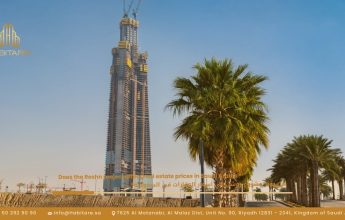
Real Estate Markets Comparison in the Middle East

Real Estate Markets Comparison in the Middle East highlights the remarkable diversity of investment opportunities, market performance, and growth potential across the region’s leading property destinations.
From rapidly expanding cities in Saudi Arabia to mature investment hubs in the UAE, investors today have access to a broader range of opportunities than ever before.
As governments continue investing in infrastructure, urban transformation, and economic diversification, property markets throughout the Middle East are experiencing sustained growth and attracting increasing interest from local and international investors alike.
At Habitare Real Estate, we provide valuable insights into regional property trends, helping investors understand the unique strengths of each market and identify promising opportunities, including growing real estate investment opportunities in KSA.
Saudi Arabia continues attracting global attention through Vision 2030, landmark infrastructure projects, and expanding ownership opportunities for international investors.
These developments are strengthening real estate investment opportunities in KSA while positioning the Kingdom among the most dynamic and closely watched property markets in the Middle East.
What Does a Real Estate Markets Comparison in the Middle East Mean?
A real estate markets comparison in the Middle East involves evaluating development activity, market demand, transaction volumes, and investment trends across key regional destinations.
This includes analyzing real estate investment in Saudi Arabia, real estate investment in the UAE, developments within the Qatar real estate market, and the competitiveness of these markets in attracting foreign capital and international investors.
Such comparisons also reveal the impact of economic initiatives, regulatory frameworks, and urban expansion projects on market performance. They provide a broader understanding of how property sectors evolve and how investors can identify opportunities across different countries.
Among the most important indicators used in these evaluations are real estate returns in Saudi Arabia, which continue to attract attention as investors compare regional markets and long-term growth potential.
Real Estate Markets Comparison in the Middle East: 4 Leading Investment Markets
Property markets across the Middle East differ in terms of investment opportunities, liquidity, accessibility for foreign buyers, and overall market maturity.
The following comparison highlights some of the key characteristics of major regional property markets:
|
Market |
Opportunity Profile | Liquidity | Foreign Investor Accessibility | Risk Level |
Best Suited For |
|
Saudi Arabia Real Estate Market |
Large scale residential, commercial, and master planned developments | High | Moderate to High depending on regulations | Moderate | Long-term investors |
| UAE Real Estate Market | Luxury properties and diversified investment projects | High | High in freehold areas | Moderate |
International investors |
|
Qatar Real Estate Market |
Residential and commercial projects linked to infrastructure growth | Moderate | Moderate | Low to Moderate | Stability-focused investors |
| Egypt Real Estate Market | Residential communities and new urban developments | Moderate | Moderate | Moderate to High |
Mid-budget investors |
Common Mistakes When Comparing Real Estate Markets in the Middle East
When evaluating property markets across the region, investors often make several mistakes that can affect the accuracy of their investment decisions.
1. Focusing Only on Property Prices
One of the most common mistakes is assessing a market based solely on property prices without considering rental returns, market demand, or investment regulations.
This can lead to an incomplete understanding of a market’s true investment potential.
2. Overlooking Actual Real Estate Returns
Ignoring real estate returns in the Middle East can create misleading comparisons.
Some markets may offer lower entry prices, yet generate stronger long-term returns compared to more expensive destinations.
3. Ignoring Regulatory Differences
Property ownership regulations vary significantly between countries.
Foreign ownership rules in the UAE, for example, differ from those in other regional markets and should always be considered during evaluation.

4. Comparing Markets of Different Scale
Comparing emerging markets with mature and significantly larger property sectors without considering economic scale may result in inaccurate conclusions.
This is especially important when identifying the best real estate market for foreign investors.
5. Neglecting Market Liquidity
Some markets offer high liquidity and easier resale opportunities, while others are better suited for long-term investment strategies.
Liquidity remains a critical factor in investment planning.
6. Relying on Outdated Data
Using outdated reports without reviewing current market developments can lead to inaccurate assessments and missed opportunities.
Regularly updated market intelligence is essential for informed decision-making.
Conclusion
A real estate markets comparison in the Middle East demonstrates that each market offers a unique combination of opportunities, demand drivers, and investment advantages.
Choosing the right destination depends on an investor’s objectives, risk tolerance, investment horizon, and preferred asset type.
Evaluating returns, market liquidity, ownership regulations, and future development plans remains essential when comparing regional opportunities.
At Habitare Real Estate, we help investors navigate these evolving markets with confidence through professional guidance and local expertise.
Contact Habitare Real Estate today to explore carefully selected investment opportunities across Saudi Arabia and the wider Middle East.
Our specialists can help you compare markets, evaluate risks, and identify opportunities aligned with your long-term investment objectives.
Edited by: Habitare Real Estate©
Sources:
Frequently Asked Questions About Real Estate Markets Comparison in the Middle East
Which Is the Best Real Estate Market in the Middle East Today?
The answer depends on the investor's objectives.
Saudi Arabia, the UAE, Qatar, and Egypt each offer distinct advantages in terms of market demand, ownership accessibility, development activity, and investment potential.
Rather than a single market being universally superior, the best choice depends on investment strategy and holding period.
Which Market Is Best for Long-Term Investment?
Long-term investment opportunities are often strongest in markets experiencing sustained urban growth and large-scale development.
Saudi Arabia continues benefiting from major projects and expanding cities, while the UAE offers stability and diversified opportunities.
Egypt also presents attractive long-term potential through expanding residential demand and new urban developments.
What Factors Could Change the Ranking of Real Estate Markets in the Future?
Several factors may influence future market rankings, including:
• The balance between supply and demand
• Changes in ownership and investment regulations
• Economic growth and infrastructure development
• Levels of foreign direct investment
• Urban expansion and large-scale development projects