Understanding the Geographical Zones for Foreign Ownership in Saudi Arabia
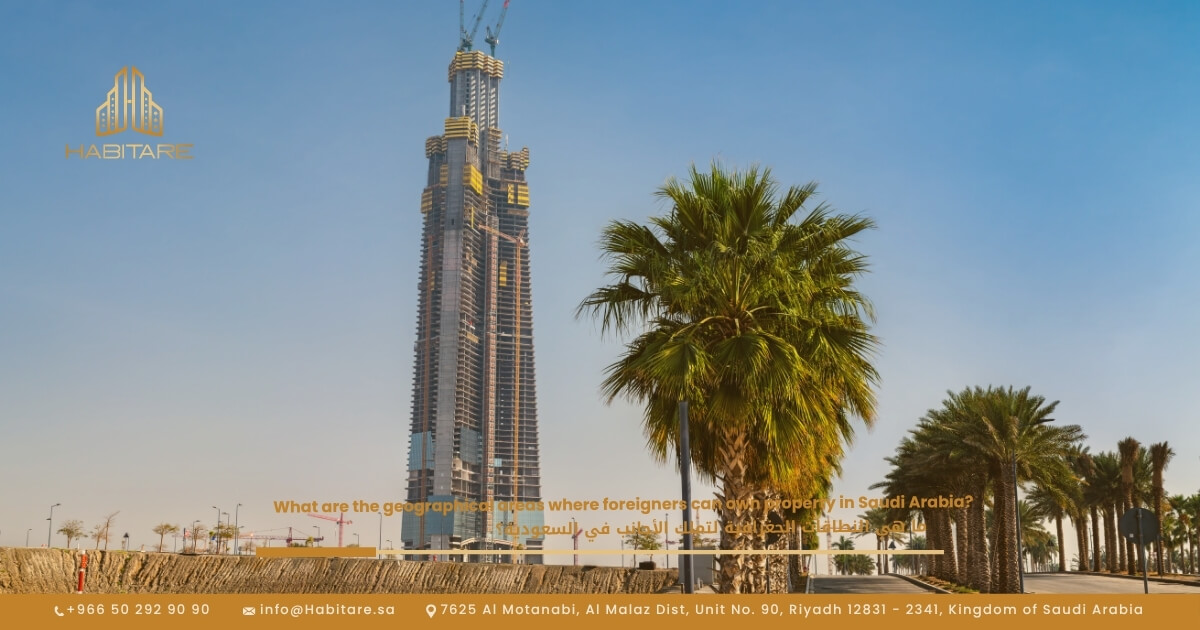
Geographical zones for foreign ownership in Saudi Arabia represent one of the Kingdom’s most significant regulatory developments, offering international investors greater clarity around approved ownership areas, investment access, and long-term property rights.
As Saudi Arabia continues to position itself as a global destination for investment, tourism, and modern living, the Kingdom’s evolving real estate landscape is becoming increasingly attractive to international buyers seeking long-term opportunities within one of the region’s fastest transforming markets.
At Habitare Real Estate, we guide international clients through every stage of the property acquisition journey with trusted local expertise, discretion, and a refined understanding of Saudi Arabia’s rapidly evolving regulatory environment.
In this article, we explore the approved geographical zones for foreign ownership in Saudi Arabia, the legal framework governing ownership rights, and the official regulations shaping foreign real estate investment across the Kingdom.
What Are the Geographical Zones for Foreign Ownership in Saudi Arabia?
The geographical zones for foreign ownership in Saudi Arabia refer to the officially approved areas where non-Saudi individuals and entities may own property or acquire real estate rights under the Kingdom’s regulatory framework.
Under Saudi Arabia’s evolving investment framework, the approved ownership zones are regulated through a carefully structured legal system designed to balance market openness with regulatory oversight.
The Council of Ministers determines these zones based on recommendations submitted by the Real Estate General Authority, while official regulations define the permitted ownership rights, ownership percentages, usage periods, and associated regulatory conditions.
Special regulations apply to the holy cities of Makkah and Madinah, where ownership remains restricted primarily to Muslim individuals, alongside additional frameworks governing non listed companies, publicly listed entities, and licensed investment funds operating under approved legal provisions.
The new legislation also replaces the previous foreign ownership framework issued under Royal Decree No. M/15 dated 17/4/1421H.
The updated law is expected to enter into force 180 days after its publication in the Official Gazette, while requiring non-Saudi owners to register officially with the relevant authorities and document ownership through the Kingdom’s official real estate registry.
Executive Regulations for Foreign Ownership and Approved Geographical Zones
The executive regulations for foreign ownership establish the legal and procedural framework governing property ownership by non-Saudis in Saudi Arabia.
These regulations define registration procedures, required documentation, ownership conditions, and compliance mechanisms designed to ensure alignment with the Kingdom’s updated foreign ownership laws and real estate regulations.
They also clarify the official procedures for implementing ownership rights and fulfilling legal obligations associated with property acquisition in Saudi Arabia.
Draft Executive Regulations for Non-Saudi Property Ownership
The draft executive regulations prepared by the Real Estate General Authority outline the implementation procedures governing foreign property ownership under Royal Decree No. M/14 dated 19/01/1447H.
The framework is designed to regulate how non-Saudi investors acquire property, register ownership with official authorities, comply with regulatory fees, and adhere to classification systems governing violations and penalties related to foreign ownership.
These measures are designed to balance regulatory oversight with the realities of a rapidly expanding and globally connected Saudi property market.
Cities Expected to Fall Within Saudi Arabia’s Approved Foreign Ownership Zones
Under the new foreign ownership system, the Council of Ministers is responsible for determining the geographical areas where non-Saudis may own property or acquire real estate rights, based on recommendations issued by the Real Estate General Authority and approved by the Council of Economic and Development Affairs.
Current expectations suggest that the approved geographical zones may include areas within Riyadh and Jeddah, alongside additional cities and provinces across the Kingdom, although the final details have not yet been officially published.
Regarding the holy cities of Makkah and Madinah, authorities have confirmed that foreign ownership will remain subject to special regulations, with designated zones expected to be identified within officially approved ownership areas.
Full regulatory details are anticipated in future official announcements.
Regulations Governing the Geographical Zones for Foreign Ownership in Saudi Arabia
Together, these regulations are intended to create a more transparent and internationally trusted framework for foreign real estate ownership in Saudi Arabia.
Saudi Arabia’s official regulations establish several important conditions governing foreign property ownership and approved geographical zones
The most important requirements include:
- Completing all legal procedures required to acquire property rights, including official documentation and registration with the relevant authorities.
- Complying with executive regulations governing ownership eligibility and procedural requirements.
- Defining the permitted ownership rights available to different categories of foreign buyers.
- Determining maximum ownership percentages and approved usage periods according to official regulations issued by the Council of Ministers and the Real Estate General Authority.
Official announcements regarding the approved geographical zones are expected during the first quarter of 2026, helping international buyers better understand how to invest in Saudi Arabia through compliant ownership and investment procedures.
These developments are expected to provide foreign investors in Saudi Arabia with greater transparency regarding approved ownership opportunities, investment pathways, and official acquisition requirements.
For investors seeking broader expansion opportunities, establishing a company in Saudi Arabia may also create additional pathways for property ownership, long term investment growth, and project development under the Kingdom’s evolving regulatory framework.
A New Era for Foreign Property Ownership in Saudi Arabia
The geographical zones for foreign ownership in Saudi Arabia reflect the Kingdom’s broader vision for creating a more transparent, globally connected, and investment friendly real estate environment.
As Saudi Arabia continues to open new opportunities for international buyers, understanding the official ownership regulations and approved geographical zones has become essential for making informed and secure investment decisions.
Saudi Arabia’s evolving property landscape is becoming increasingly attractive not only for investors, but also for individuals seeking long term lifestyle opportunities in one of the region’s fastest transforming markets.
If you would like professional guidance regarding foreign ownership regulations or property investment opportunities in Saudi Arabia, connect with Habitare Real Estate today.
Our specialists are ready to support your investment journey with trusted expertise, discretion, and local market insight.
Edited by: Habitare Real Estate©
Sources:
Frequently Asked Questions About Geographical Zones for Foreign Ownership
When will the geographical zones for foreign ownership in Saudi Arabia be announced?
Official announcements regarding the approved geographical zones for foreign ownership in Saudi Arabia are expected during the first quarter of 2026 as part of the Kingdom’s updated foreign property ownership framework.
What is the geographical zones document?
The geographical zones document is the official regulatory document issued by the Real Estate General Authority identifying the areas where non-Saudis may own property or acquire real estate rights.
The document is expected to define ownership categories, maximum ownership percentages, approved usage periods, and related regulatory conditions.
Will foreign ownership increase property prices in Saudi Arabia?
Foreign ownership may contribute to temporary increases in demand within major cities such as Riyadh and Jeddah. However, the new regulations are designed to protect market stability while supporting sustainable real estate growth.
What types of properties can foreigners own in Saudi Arabia?
Under the updated regulations, non-Saudi buyers may own residential and commercial properties within officially approved zones, including apartments, buildings, and commercial developments, while observing special restrictions applicable to Makkah and Madinah.
Which Saudi cities are expected to allow foreign property ownership?
Official guidance suggests that the geographical zones framework may include major areas such as Riyadh, Jeddah, Makkah, and Madinah, alongside additional cities and provinces across the Kingdom.
The final document is expected to specify approved ownership percentages, ownership rights, and permitted usage periods according to the Kingdom’s official foreign ownership regulations.