How Expropriation of Real Estate for Public Benefit in Saudi Arabia Works
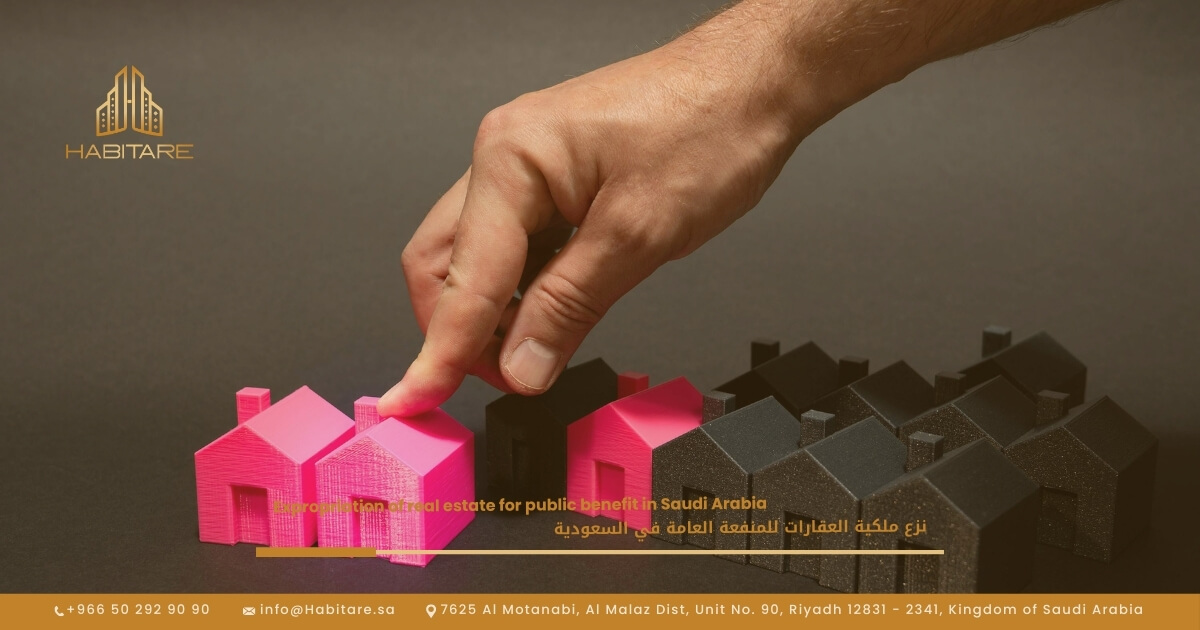
Expropriation of Real Estate for Public Benefit in Saudi Arabia has become an increasingly important topic as the Kingdom moves forward with ambitious national development projects.
Across Saudi Arabia’s rapidly evolving cities, major infrastructure projects and urban developments are reshaping the national landscape.
Within this transformation, the legal framework governing property rights ensures that public progress is balanced with respect for private ownership.
For property owners and international investors alike, understanding this system provides clarity and confidence.
Through the insights of Habitare Real Estate, this guide explains how the law operates, how compensation is determined, and what investors should know when navigating the Saudi property market.
The Public Benefit Expropriation Law Comes into Effect
Saudi Arabia officially implemented the updated public benefit expropriation law on 17 January 2026, corresponding to 28 Rajab 1447 AH.
The regulation entered into force 120 days after its publication in the Official Gazette, creating a clear legal framework for property acquisition when required for government development projects.
The objective is straightforward: establish transparent procedures governing public benefit expropriation, define the roles of relevant authorities, and ensure fair compensation for affected property owners.
Beyond legal clarity, the system supports the Kingdom’s ambitious urban development strategy. It ensures that major infrastructure initiatives can proceed while safeguarding the rights of individuals and investors.
Tax Incentives Related to the Law
Saudi Arabia has also introduced tax incentives designed to protect property owners affected by expropriation.
These incentives provide financial flexibility and help owners transition smoothly when acquiring replacement properties.
Key benefits include:
- Property owners are exempt from real estate transaction tax for up to five years when reinvesting compensation into another property.
- Exemptions from white land fees when compensation involves receiving an alternative plot of land.
These measures help maintain financial balance while supporting continued investment in the Saudi property sector.
What Does Expropriation for Public Benefit Mean?
The legal framework governing Expropriation of Real Estate for Public Benefit in Saudi Arabia outlines the situations in which government authorities may acquire privately owned land to implement projects that serve the public good.
Such projects may include transportation networks, utilities, urban planning developments, or major national infrastructure initiatives.
The law ensures that affected property owners are protected through defined procedures that include identifying properties, evaluating their market value, and delivering fair financial compensation before or during the transfer of ownership.
Equally important, property owners retain the right to review the decision, understand the compensation calculation, and submit objections through official legal channels if necessary.
Government Projects Covered by the Expropriation Law
Several categories of national development projects may require property acquisition when public interest demands it.
These projects include:
- Expansion projects related to the Two Holy Mosques and pilgrimage services.
- Public transportation infrastructure such as roads, railways, ports, and airports.
- Urban planning initiatives including mosques, parks, schools, hospitals, and public buildings.
- Mining, excavation, and resource development projects.
- Environmental and heritage preservation initiatives protecting natural reserves and historic landmarks.
- Energy infrastructure and utilities including water networks, electricity, gas, oil pipelines, telecommunications, and drainage systems.
- National security and defense facilities.
- Additional projects designated by government authorities as serving the public interest.
Rights and Guarantees for Property Owners
Saudi law provides clear protections for property owners affected by expropriation.
These safeguards ensure a fair balance between national development and private property rights.
Key rights include:
1- The Right to Fair Compensation
Authorities must provide compensation reflecting the market value of the affected property.
2- The Right to Appeal
Owners may submit formal objections if they believe the valuation or procedures are inaccurate.
These protections reflect international legal principles that require both public benefit justification and fair compensation.

Fair Compensation for Expropriated Properties
Fair compensation is the cornerstone of Expropriation of Real Estate for Public Benefit in Saudi Arabia.
The law ensures that property owners receive equitable financial value based on official compensation procedures and Saudi investment regulations.
Compensation categories include:
1- Property Expropriation Compensation
This compensation reflects the property’s market value plus an additional 20 percent to cover expropriation procedures and potential damages.
2- Compensation for Temporary Property Possession
When authorities temporarily use a property for project implementation, compensation must equal at least the rental value of the property plus an additional 20 percent.
3- Evaluation Standards | Expropriation of Real Estate for Public Benefit in Saudi Arabia
Official valuation standards ensure fairness and consistency in determining compensation according to Saudi regulations.
Role of Certified Property Valuers
Certified property valuers play a crucial role in determining the market value of affected properties.
They are selected according to the standards of the Saudi Authority for Accredited Valuers to ensure transparency and accuracy.
Their responsibilities include:
- Evaluating the property according to current market conditions, including location, size, use, and development characteristics.
- Preparing a detailed valuation report reviewed by a committee of three accredited valuers.
- Submitting the valuation for final approval before notifying both government authorities and property owners.
The final valuation decision must typically be issued within ninety days after the evaluation report is submitted.
Procedures for Public Benefit Expropriation in Saudi Arabia
The procedures governing Expropriation of Real Estate for Public Benefit in Saudi Arabia follow a structured legal process designed to protect property owners and maintain transparency.
The process generally includes:
- Notification of the project authority following approval of the expropriation request.
- Issuance of the official decision initiating expropriation procedures.
- Confirmation of financial allocations or alternative land compensation before beginning the process.
- Publication of the decision in the Official Gazette and at least one local newspaper.
- Notification of property owners and relevant authorities regarding the inventory process.
- Submission of ownership documents by property owners within the legally specified timeframe.
Impact of the Law on Real Estate Investment
The new expropriation framework strengthens confidence in the Saudi real estate market.
By clarifying legal procedures and ensuring transparency, the law reduces uncertainty for property owners and investors.
International investors benefit from a clearer understanding of development zones and public infrastructure projects, allowing them to plan long term investments with greater confidence.
Ultimately, the system reinforces Saudi Arabia’s reputation as a stable and attractive destination for real estate investment while protecting the sanctity of private property.
Habitare Real Estate Advisory Role
At Habitare Real Estate, we are committed to providing accurate legal and real estate insights aligned with Saudi regulations.
Our advisory team continuously monitors legislative updates, including executive regulations governing property expropriation and compensation procedures.
By explaining these frameworks clearly, we help property owners and investors make informed decisions with confidence when navigating the Saudi property market.
Conclusion
The framework governing Expropriation of Real Estate for Public Benefit in Saudi Arabia reflects the Kingdom’s commitment to balanced development and investor confidence.
If you would like to learn more about property ownership regulations or real estate opportunities in Saudi Arabia, we invite you to connect with our advisory team.
Contact Habitare Real Estate today and let us guide you toward successful property ownership and investment in the Kingdom.
Edited by: Habitare Real Estate©
Sources:
FAQs | Expropriation of Real Estate for Public Benefit in Saudi Arabia
Can property owners object to an expropriation decision?
Yes. Saudi law allows property owners to challenge an expropriation decision if they believe the process is inconsistent with regulations or the compensation does not reflect the true market value.
When is compensation paid after expropriation?
Compensation is typically paid once the expropriation procedures are completed and the property owner accepts the evaluated amount or the final decision is issued by the relevant authority.
Who determines the compensation value?
The General Authority of State Properties appoints a committee of three accredited property valuers to determine the market value of the property based on approved valuation standards.